
Uncategorized
Filler Material for TIG Welding: A Complete Guide
Jul
TIG (Tungsten Inert Gas) welding is widely recognized for its exceptional precision, clean welds, and professional finish. However, achieving high-quality welding results depends not only on the welding machine and technique but also on selecting the right filler material for TIG welding. Whether you’re working on stainless steel, aluminum, mild steel, or specialty alloys, the correct TIG filler rod ensures superior strength, corrosion resistance, and long-lasting performance.
In this comprehensive guide, we’ll explore everything you need to know about TIG welding filler materials, their types, applications, benefits, and how to choose the perfect filler rod for your project.
What Is Filler Material for TIG Welding?
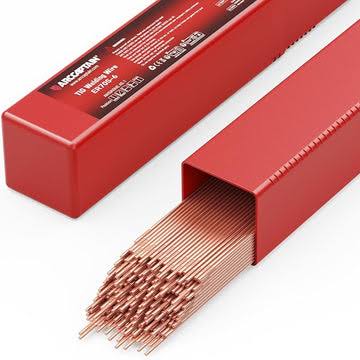
Filler material for TIG welding refers to the metal rod that is manually added to the weld pool during the welding process. Unlike MIG welding, where the filler wire is automatically fed, TIG welding allows the welder complete control over the filler rod, resulting in cleaner, stronger, and more precise welds.
The filler rod is selected based on the base metal being welded to ensure proper fusion, mechanical strength, and corrosion resistance. Using the correct TIG welding filler rod minimizes cracking, improves weld appearance, and enhances overall joint performance.
Types of TIG Welding Filler Materials
Choosing the appropriate filler rod is essential for producing reliable welds. The most commonly used TIG filler materials include:
Stainless Steel TIG Filler Rods
Stainless steel filler rods are designed for welding stainless steel components in industries such as food processing, pharmaceuticals, construction, and automotive manufacturing. They provide excellent corrosion resistance, high strength, and an attractive weld finish.
Popular grades include ER308L, ER309L, and ER316L.
Mild Steel TIG Filler Rods
Mild steel filler rods are ideal for general fabrication, structural steel, machinery repair, and maintenance work. They offer excellent weldability, good ductility, and cost-effective performance.
Common grades include ER70S-2 and ER70S-6.
Aluminum TIG Filler Rods
Aluminum filler rods are specially formulated for lightweight structures requiring superior corrosion resistance and excellent conductivity. They are commonly used in marine, aerospace, automotive, and transportation industries.
Popular options include ER4043 and ER5356.
Nickel and Specialty Alloy Filler Rods
For high-temperature or corrosion-resistant applications, nickel alloy filler rods deliver outstanding performance. These materials are frequently used in chemical processing plants, power generation, and offshore environments.
Benefits of Using High-Quality TIG Filler Material
Selecting premium TIG welding filler material offers several advantages:
- Produces clean, smooth, and aesthetically pleasing welds
- Delivers superior mechanical strength
- Improves corrosion and oxidation resistance
- Reduces weld defects such as porosity and cracking
- Provides excellent arc stability and weld pool control
- Suitable for precision welding applications
- Compatible with various metals and alloys
- Enhances long-term durability and reliability
High-quality filler rods help professional welders achieve consistent results while minimizing rework and production downtime.
How to Choose the Right TIG Filler Rod
When selecting a TIG welding filler rod, consider the following factors:
Match the Base Metal
Always choose a filler material compatible with the parent metal. Matching chemical composition ensures optimal weld integrity and performance.
Consider Service Conditions
If the welded component will be exposed to moisture, chemicals, heat, or marine environments, select a filler rod that provides adequate corrosion and temperature resistance.
Check Mechanical Properties
Evaluate tensile strength, ductility, and impact resistance to ensure the weld meets the application’s performance requirements.
Follow Industry Standards
Look for filler materials manufactured according to AWS and ISO specifications to guarantee consistent quality and reliability.
Applications of TIG Welding Filler Materials
TIG filler rods are widely used across numerous industries because of their versatility and precision.
Common applications include:
- Aerospace manufacturing
- Automotive fabrication
- Stainless steel kitchen equipment
- Food and beverage processing
- Pharmaceutical equipment
- Pressure vessels
- Pipeline fabrication
- Marine engineering
- Architectural metalwork
- Industrial machinery
- Precision sheet metal fabrication
- Repair and maintenance welding
Their ability to produce clean, high-strength welds makes them the preferred choice for critical fabrication projects.
Why Quality Matters in TIG Welding
Using inferior filler material can lead to poor weld penetration, increased spatter, reduced corrosion resistance, and premature weld failure. Investing in premium TIG welding filler rods ensures consistent performance, excellent weld appearance, and greater structural integrity.
Quality filler materials also improve welder productivity by providing smoother feeding, better arc control, and reduced post-weld finishing requirements.
Conclusion
Choosing the right filler material for TIG welding is essential for producing durable, high-quality welds across a wide range of industries. Whether you’re welding stainless steel, aluminum, mild steel, or specialty alloys, selecting the appropriate TIG filler rod enhances weld strength, improves corrosion resistance, and ensures long-lasting performance.
For professional fabricators, manufacturers, and welding specialists, investing in premium TIG welding filler materials translates into higher productivity, reduced defects, and reliable results every time. By understanding the different types of TIG filler rods and matching them to your specific application, you can achieve precision welds that meet the highest industry standards while delivering exceptional quality and customer satisfaction.
